Spring Homeowners Can Find Local Contractors for Masonry Repairs
Spring is the perfect time to connect with local contractors for masonry repairs that enhance your property's durability and curb appeal.
Spring is a popular season for residential masonry repair because it offers an ideal window for assessing and addressing outdoor structural concerns after winter's harsh conditions. As the weather warms, property owners often take the opportunity to evaluate the condition of their masonry surfaces, such as foundations, walkways, patios, and retaining walls. Spring provides a practical time to plan and initiate repairs, ensuring that any damage caused by freeze-thaw cycles or winter weather is properly addressed before the summer months. This seasonal shift encourages homeowners to refresh and maintain their outdoor spaces, making spring an optimal time to consider masonry work that enhances both safety and curb appeal.
Typically, residential masonry repair services cover a range of common issues, including crack filling, joint repointing, surface cleaning, and structural stabilization. These services focus on restoring the integrity and appearance of brick, stone, concrete, and block surfaces. Repair work may involve replacing damaged or deteriorated mortar, sealing cracks to prevent water infiltration, and restoring surfaces to their original condition. Proper masonry repair not only improves the aesthetic appeal of a property but also helps prevent further damage that could lead to more extensive and costly repairs in the future. Local contractors often tailor their services to address the specific needs of residential properties, ensuring durable and lasting results.
When comparing local service providers for masonry repair, property owners are encouraged to consider the experience and reputation of each contractor. It’s useful to review the types of projects they have completed and to seek out any available references or testimonials. Additionally, understanding the scope of services offered and the materials used can help in making an informed decision. Many local contractors provide free consultations or assessments, allowing property owners to get a clear understanding of the work needed without obligation. By evaluating these factors, homeowners can find service providers who are well-equipped to handle their masonry repair projects and who meet their specific property needs.
Evaluate local contractors' expertise and experience to ensure your spring masonry repair projects meet your priorities.
- Assessing Masonry Damage - Local contractors can evaluate the condition of existing masonry structures to identify areas needing repair.
- Choosing Repair Materials - Service providers can recommend suitable materials that match the existing masonry for seamless results.
- Performing Masonry Repairs - Experienced local pros can handle crack filling, repointing, and structural stabilization as needed.
- Ensuring Long-Term Durability - Professionals can advise on proper maintenance practices to extend the lifespan of repaired masonry.
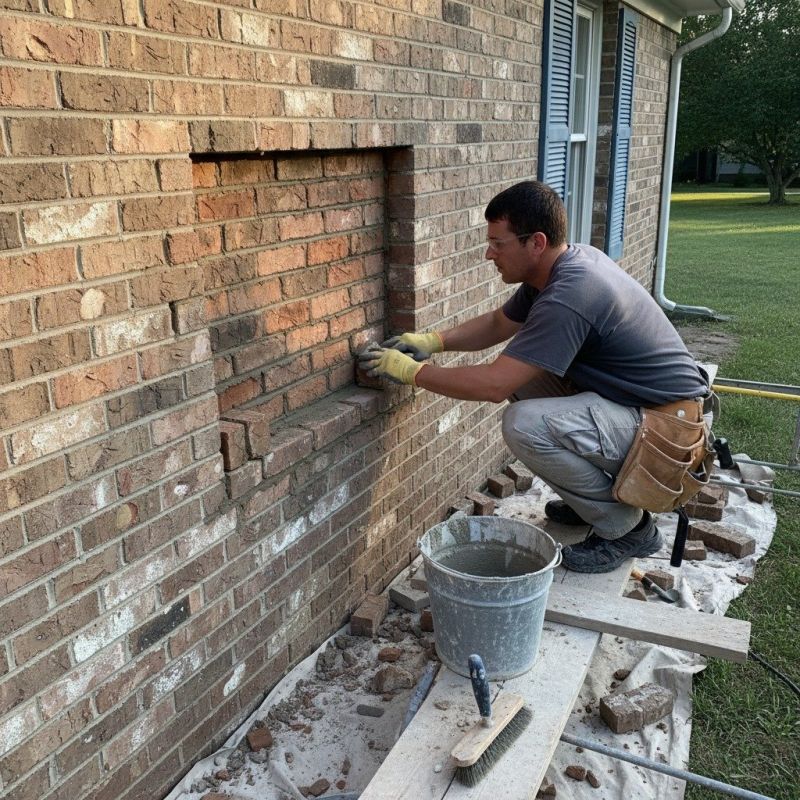
Clearly describe your masonry repair needs to help local contractors provide accurate options for your spring project.
- Inspect masonry surfaces for cracks or deterioration that may need repair. - Look for signs of mortar joint damage, loose bricks, or crumbling areas that could worsen over time.
- Evaluate the condition of existing mortar for signs of erosion or missing sections. - Damaged mortar can compromise the stability and appearance of masonry structures.
- Check for water damage or staining that may indicate underlying issues with the masonry. - Moisture infiltration can lead to further deterioration if not addressed promptly.
- Assess the alignment and levelness of brick or stonework to identify shifting or settling. - Misaligned masonry may require professional stabilization or adjustment.
- Examine the surface for efflorescence or mineral deposits that suggest water movement through masonry. - These deposits can signal moisture problems that need attention from local contractors.
- Consider seasonal weather impacts that could affect masonry, such as freeze-thaw cycles or moisture exposure. - Proper repairs can help prevent future damage caused by seasonal changes.
Use this to explore spring-focused masonry repair ideas and refine your project scope with trusted local contractors.
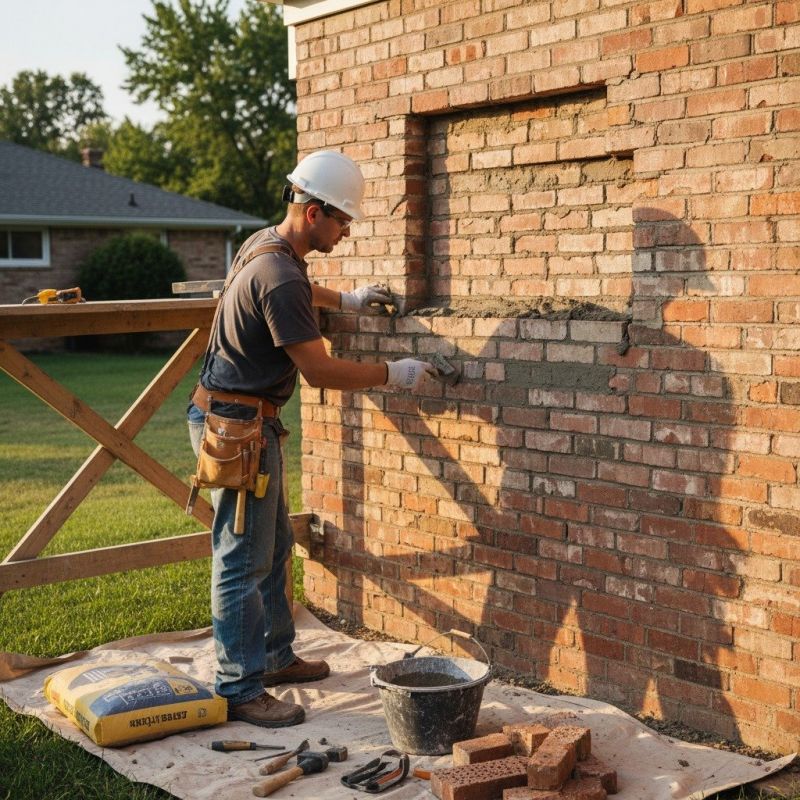
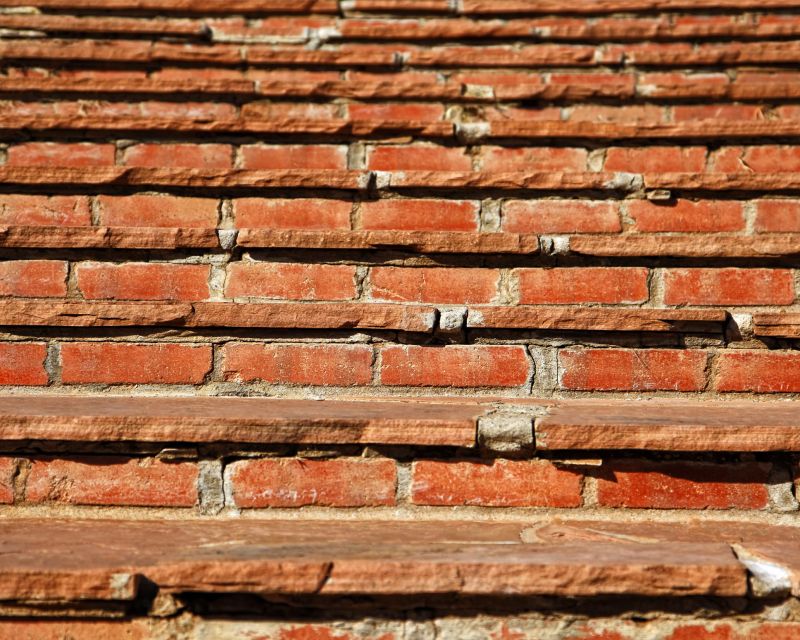
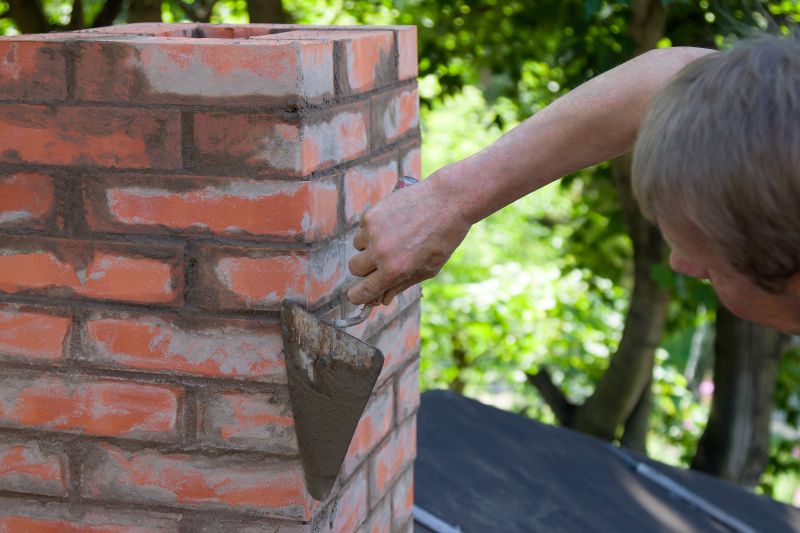
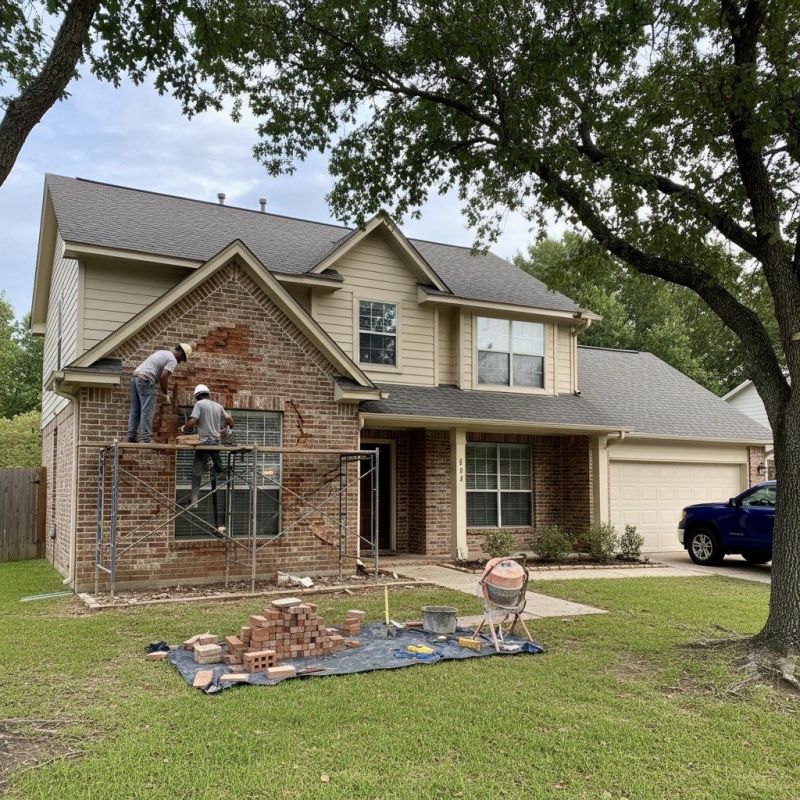
Prioritize your masonry repair needs and compare local contractors to find the best fit for your spring project.
- Brick and Masonry Restoration - Spring is an ideal time to assess and restore damaged or weathered brickwork on residential properties with help from local contractors.
- Repointing and Tuckpointing - Refresh deteriorated mortar joints to improve structural integrity and appearance, with experienced local service providers handling the work.
- Chimney Repair and Restoration - Prepare chimneys for the warmer months by addressing cracks, loose bricks, or deteriorating mortar with local masonry specialists.
- Stone Wall Repair - Repair or rebuild stone retaining walls or decorative features to enhance curb appeal and stability during the spring season.
- Foundation and Basement Wall Repairs - Address minor cracks or damage in foundation walls early in the season to prevent further issues as the weather warms.
Compare local contractors' residential masonry repair services to ensure consistent quality and approach across providers this spring.
- Scope Definition - Identify the specific masonry repair needs, such as cracks, spalling, or deteriorated mortar, to determine the scope of work.
- Material Assessment - Specify the types of masonry materials involved and any requirements for matching existing materials or finishes.
- Damage Extent - Evaluate the severity and extent of damage to establish the appropriate repair techniques and resources needed.
- Access Requirements - Determine access points and site conditions that may impact the repair process or require special equipment.
- Finish and Aesthetics - Define desired surface finishes, color matching, and overall appearance goals for the completed repair work.
When evaluating service providers for residential masonry repair during the spring season, it’s important to consider their experience with similar projects. Homeowners should seek out local contractors who have a proven track record of handling masonry repairs comparable to the scope of their own project. An experienced professional will understand the unique challenges posed by different types of masonry, whether it’s brick, stone, or concrete, and can provide insights into the best methods for repair and restoration. Verifying the background of potential service providers can help ensure that the work will be approached with the necessary skill and familiarity with seasonal considerations common in springtime repairs.
Clarity in the scope of work is essential when comparing local contractors for masonry repair projects. Homeowners should look for service providers who can clearly articulate what the repair process will involve, including the materials to be used, the extent of the work, and the expected outcomes. A well-defined scope helps prevent misunderstandings and provides a basis for evaluating proposals. Clear communication about project details also assists homeowners in making informed decisions and ensures that everyone involved has aligned expectations from the outset.
Work planning considerations are especially relevant during the spring season, as fluctuating weather conditions can impact project timelines and methods. Homeowners should inquire how potential service providers plan around unpredictable spring weather, such as rain or temperature variations, and whether they factor in seasonal drying times or other environmental factors. Contractors who demonstrate thoughtful planning and flexibility are more likely to deliver consistent results. Understanding their approach to scheduling and preparation can help homeowners select a professional capable of managing the project efficiently within the seasonal context.
When comparing options for residential masonry repair, it’s beneficial to evaluate how each local contractor approaches the project without focusing solely on cost. Homeowners should consider the level of detail in their proposals, the clarity of their communication, and their experience with similar projects. Asking about their work planning, materials, and methods can reveal their professionalism and reliability. Ultimately, choosing a service provider who demonstrates expertise, transparency, and a thoughtful approach to springtime repair considerations can lead to a successful outcome that enhances the home’s appearance and durability.
Request written details to ensure clear scope and consistent expectations for your spring masonry repair project.
- Scope of Repairs - What specific masonry issues should be addressed during spring repair projects?
- Material Compatibility - How do different masonry materials impact the scope of repair work in the spring season?
- Service Provider Comparison - How can homeowners compare local contractors to ensure they meet the project's scope?
- Repair Methods - What repair techniques are most suitable for addressing seasonal weather effects on masonry?
- Project Planning - How can spring-focused planning help define the necessary scope for masonry repair services?
What types of masonry repairs are common for residential properties in spring? Common residential masonry repairs in spring include fixing cracked or damaged brickwork, repointing mortar joints, restoring deteriorated stonework, and addressing foundation or wall issues caused by winter weather.
How can I tell if my masonry needs repair after winter? Signs that masonry may need repair include visible cracks, loose or crumbling mortar, water infiltration, or uneven surfaces. Consulting with local contractors can help assess the condition of masonry structures.
What are the benefits of scheduling masonry repairs in spring? Spring offers favorable weather conditions for masonry work, allowing repairs to be completed efficiently and effectively. It also helps prevent further damage from moisture or freeze-thaw cycles.
What materials do local service providers typically use for residential masonry repair? Local contractors often use durable materials like high-quality mortar, concrete, and stone suited for residential structures to ensure long-lasting repairs and seamless integration with existing masonry.
Can residential masonry repair improve the appearance of my home’s exterior? Yes, professional repairs can restore the aesthetic appeal of your home’s exterior by fixing cracks, replacing damaged bricks or stones, and ensuring a uniform, well-maintained look.
How do local masonry service providers ensure the longevity of repairs? Local pros use proper techniques, quality materials, and thorough preparation to ensure repairs withstand weather conditions and general wear, helping to extend the life of masonry structures.
This spring is an ideal time to assess and address any masonry issues around a residence, helping to maintain the structure’s integrity and appearance. Visitors have learned about the importance of professional masonry repair services that can handle a variety of common problems, such as cracks, crumbling mortar, and uneven surfaces. By exploring local contractors, homeowners can find experienced service providers ready to assist with seasonal maintenance and renovation projects.
To find the right fit for residential masonry repair needs, visitors are encouraged to use the quote form to compare local options. Connecting with trusted service providers can ensure the job is handled efficiently and to the desired standards, making it easier to plan and complete springtime updates around the home.
Providing clear details about your masonry repair needs helps local contractors understand your project and connect you with suitable service providers.
- Type of Masonry Damage - details about the specific issues with existing masonry that need repair or restoration.
- Material Preferences - information on the types of materials or finishes preferred for the masonry repair project.
- Project Scope - a description of the areas or structures requiring masonry repair or restoration.
- Location Details - the address or general area where the masonry work will be performed.